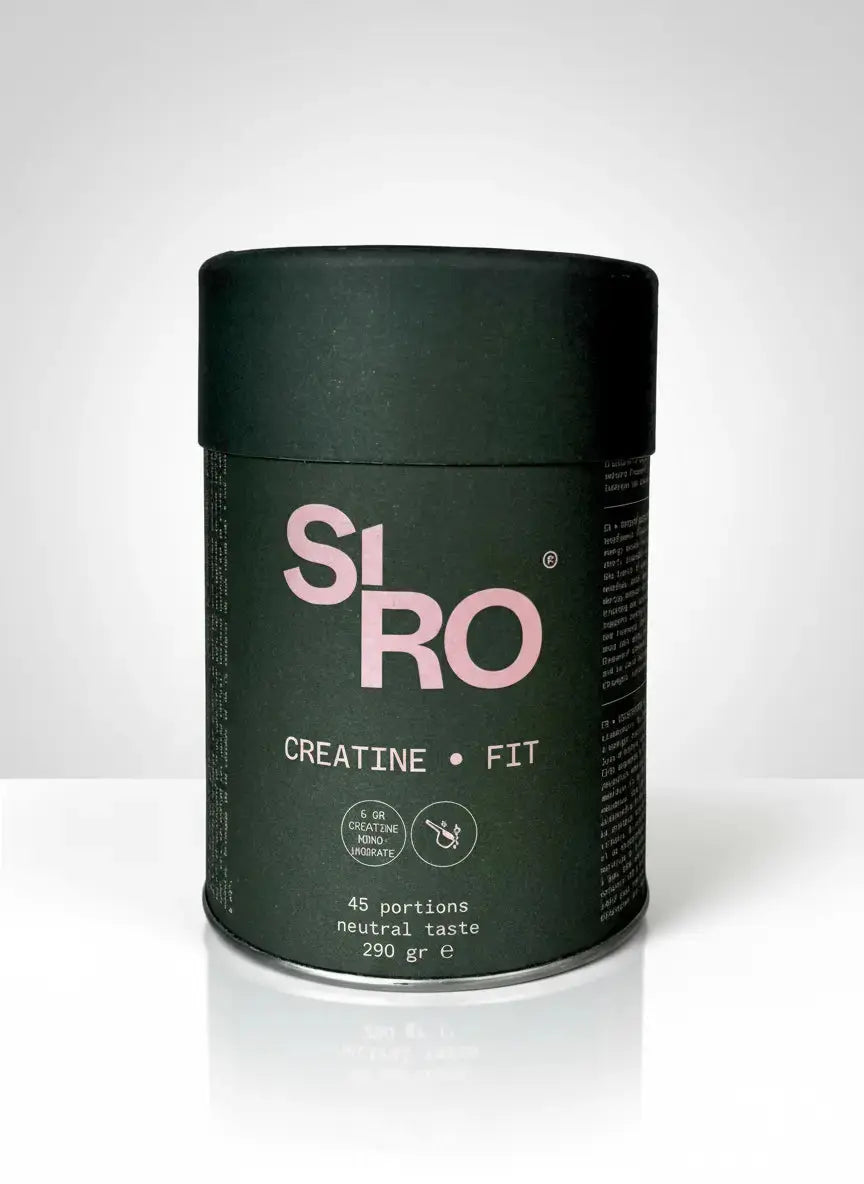
What does creatine do for people like you? Not just for bodybuilders.

Wat doet creatine voor mensen zoals jij? Niet alleen voor bodybuilders.

Creatine has a real moment lately, fuelled by headlines, Instagram reels, and TikToks calling it a performance booster, support for recovery, and even a tool for focus and healthy aging.

So is creatine genuinely worth the attention, or is it simply the latest supplement trend?

Creatine itself is not new. It has been researched for decades, mainly in strength-focused sports, because it improves performance in short, intense efforts such as lifting weights, sprinting, and repeated hard efforts. That part is well established in science.

Still, many people hear “creatine” and immediately think bigger muscles, gym culture, and shaker bottles. If that is not how you train, it is easy to assume it is not for you. Nevertheless, there’s more to it.

What is creatine?

Creatine is a naturally occurring compound that your body
produces on its own. You also absorb small amounts from foods like meat and
fish, while supplements offer a more concentrated way to increase the amount
available in the body.

What does creatine do?

In simple terms, creatine helps your body regenerate energy
quickly. It supports ATP, the main energy source your cells use during short,
intense efforts.

That is why creatine is often linked to lifting weights and
repeated hard efforts. It helps your body keep producing energy when demand is
high and time is short.

Creatine does not build muscle on its own. What it can do is
help you perform a bit more work. Over time, that extra work can contribute to
better performance and, in some cases, more muscle gain.

What about the brain?

Creatine is not only relevant for muscles. The brain also
has high energy demands.

Some research suggests creatine may help you stay sharper
during challenging tasks, lose focus less quickly, and think more clearly when
you are mentally tired or short on sleep.

Why it matters beyond bodybuilding?

You do not need to be chasing a bench press record for
creatine to make sense.

If your week looks more like a couple of gym sessions, a
run, a bike ride, padel, or simply trying to stay active around work and family
life, creatine may be something to consider. It is also being discussed more in
the context of healthy aging, especially around maintaining strength and muscle
function over time.​

Side effects

With all these potential benefits, it is fair to ask: what’s
the catch?

Creatine is generally considered safe for healthy adults
when used appropriately. The most discussed side effect is water retention,
which may cause a small increase in body weight, but that does not mean you
will suddenly look bloated. Some people may also experience mild digestive
discomfort, especially with higher doses. If you have a medical condition, are
unsure whether creatine is appropriate for you, or want personalised advice, it
makes sense to speak with a qualified healthcare professional first.

Is creatine just for bodybuilders?

No. Bodybuilders may have helped make creatine famous, but
they are not the only people it can help.

If you are an everyday active person looking for support in
strength, repeated effort, recovery, and long-term physical capacity, creatine
is worth understanding. The next question is not whether creatine is only for
bodybuilders. It is which form makes sense, how much to take, and what to look
for if you decide to use it. Keep an eye out for our next article.

Back to blog

Leave a comment

Please note, comments need to be approved before they are published.